Changing how we build.
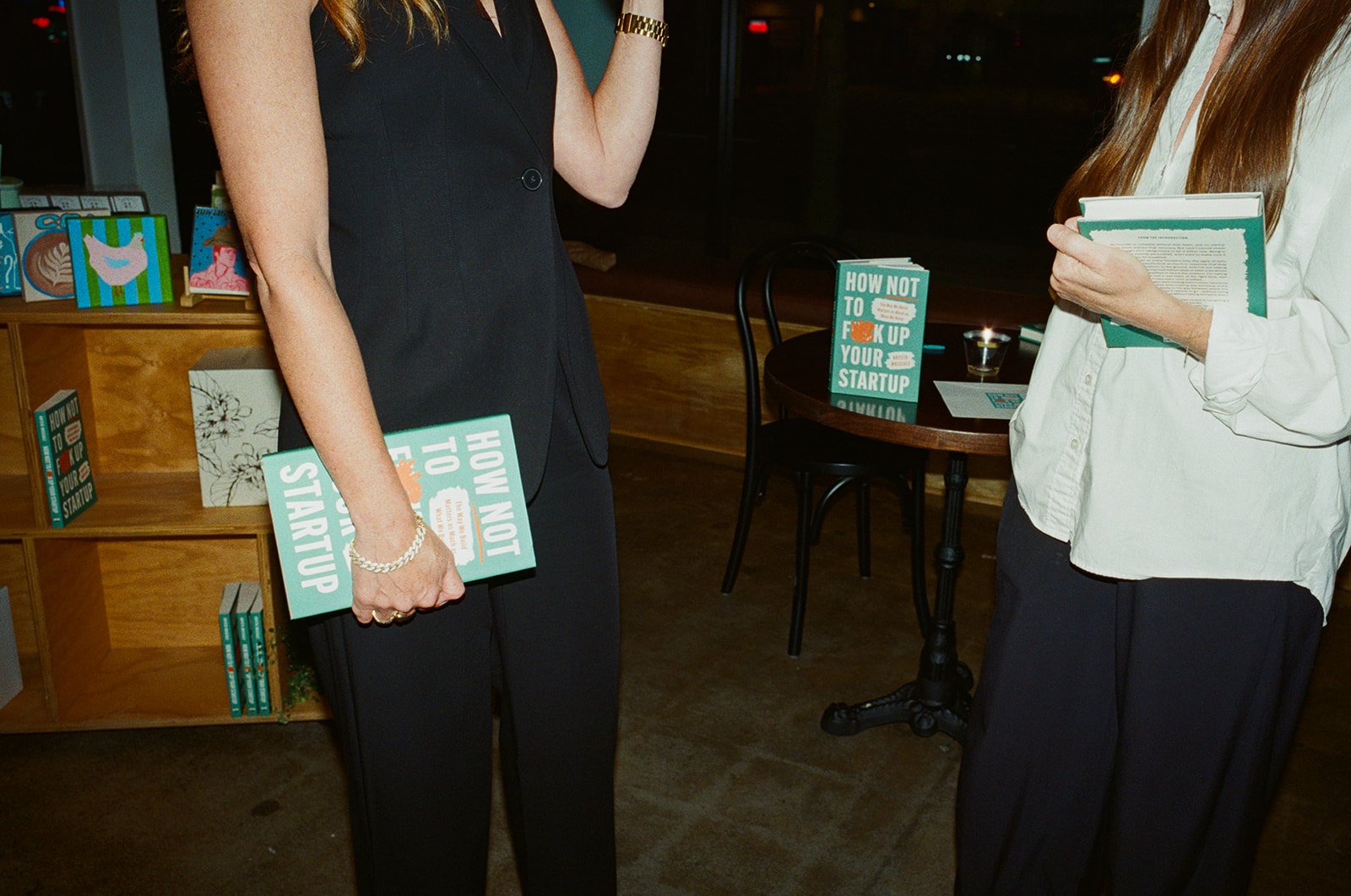
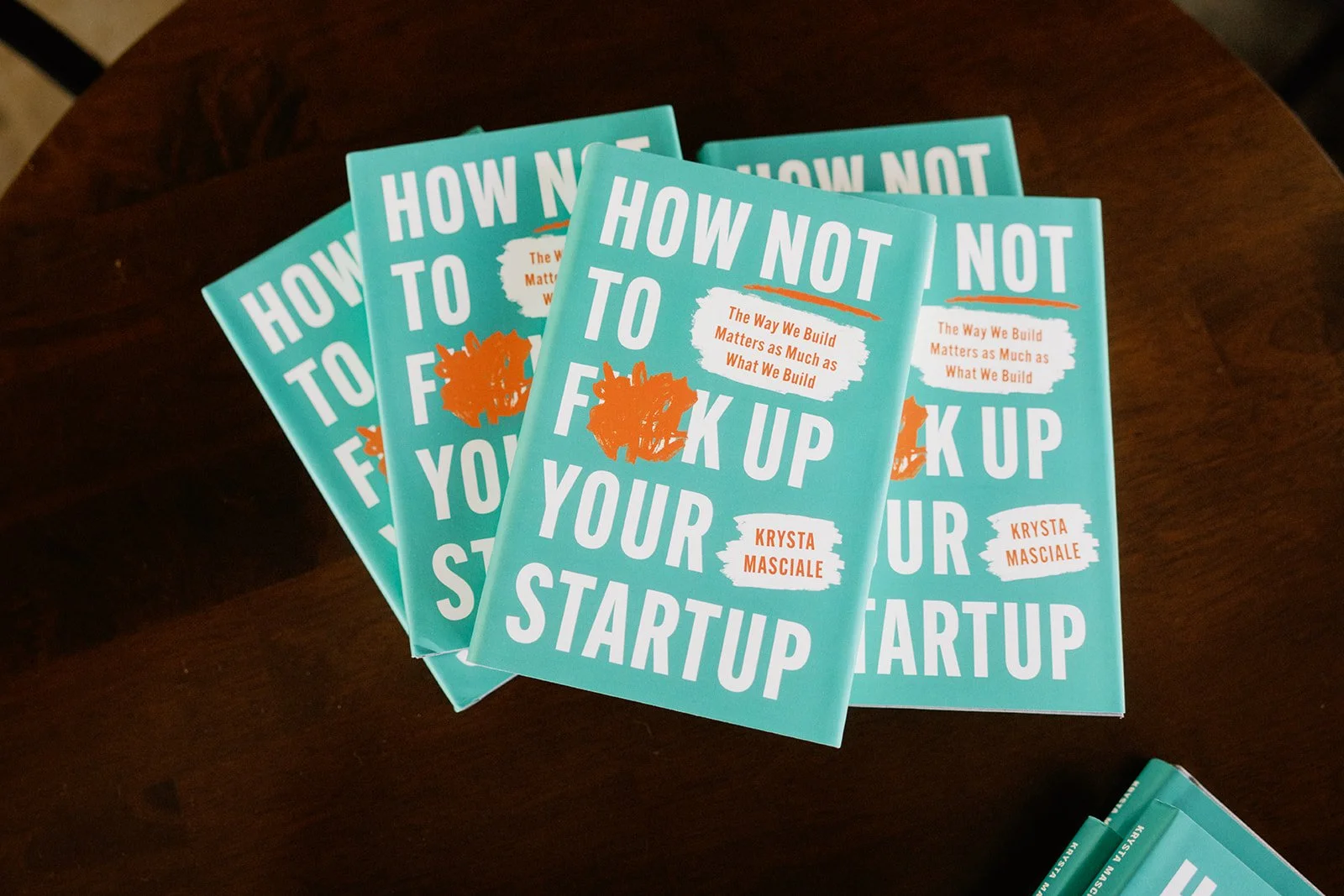
How Not to F*ck Up Your Startup is a field guide for the messy middle of building, where a leader’s choices on the bridge between scrappy and scalable determine the vision’s survival.

About the book
There are two kinds of chaos inside a growing company. Only one is on your side.
Every founder has a story about the season that almost killed them. The team falling apart. The revenue stalling. The feeling that something is fundamentally wrong with the company, the model, maybe even with them.
Some of that chaos is normal, even necessary. But much of it isn’t.
Krysta Masciale has spent two decades building and scaling startups, and she’s noticed that every growing company moves through a familiar pattern of order, disorder, and reorder that has shaped how humans build, break, and rebuild systems for millennia. That natural chaos is the inevitable cost of scaling. The rest is manufactured urgency that gets in the way of real progress.
Once you can spot the difference, that knowledge is transformative. Leaders who build sustainable companies aren’t those who hustle harder or build faster. They’re the ones who lean into the natural chaos that sparks growth, and let go of the rest.
How Not to F*ck Up Your Startup is a field guide for the messy middle of building, where a leader’s choices on the bridge between scrappy and scalable determine the vision’s survival. Masciale shows founders and their teams how to:
Recognize the natural chaos that signals necessary change.
Spot the manufactured chaos they’re creating before it derails the organization.
Lead through four distinct phases of growth, each with its own kind of chaos.
Move from disorder to reorder, using difficult seasons as a catalyst for growth rather than a reason to spiral.
Weathering chaos isn’t the real work. Building is. Founders who see this can get out of their own way and scale their vision into a thriving company.

Get your copy here!
Reviews
“A brilliant and deeply human guide for surviving and thriving as a founder and/or second in command. A must read for movement builders!”
— Non-profit founder
“Her book is phenomenal - practical, honest, wild and wise. Exactly what founders (and other leaders!) need in this world that changes every single second.”
— Screenwriter
“She’s taken a career of collective wisdom, hard-earned experience, heartbreak, growth, and everything in between and created a masterpiece.”
— Corporate Executive

About Krysta
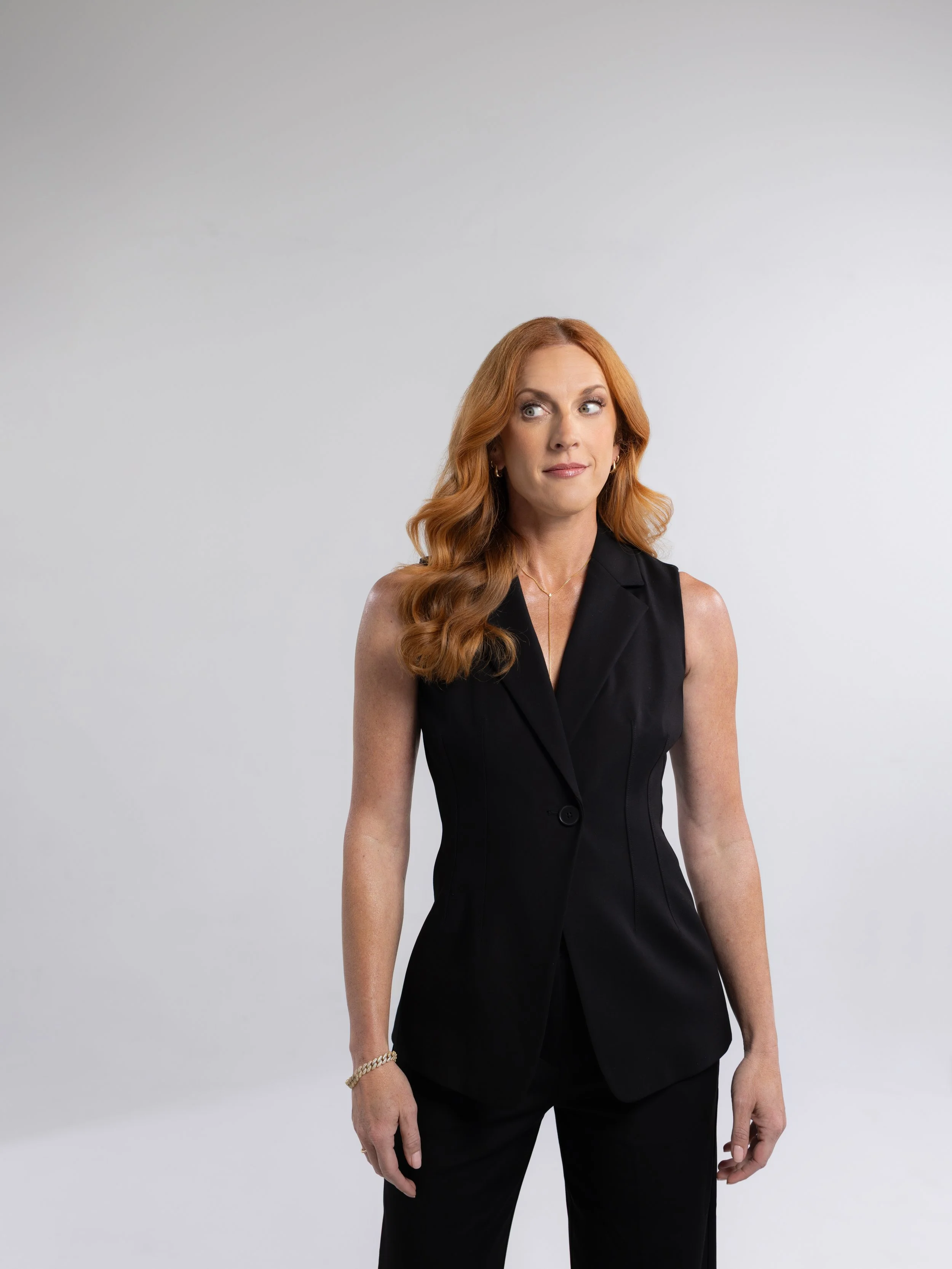
Krysta Masciale is the founder of sanity., a fractional COO practice built for founder-led organizations navigating the natural chaos of building something new.
After surviving nearly two decades inside startups across multiple industries, Krysta emerged with her sarcastic soul, too many wild stories, and the four-phase framework at the heart of this book - all so YOU don’t have to survive as a visionary leader without a roadmap.
She lives in Los Angeles with her husband Vince and their two kids. There, she continues to test and refine her organizational theory against the kind of pressure no MBA program could ever properly simulate: real life.